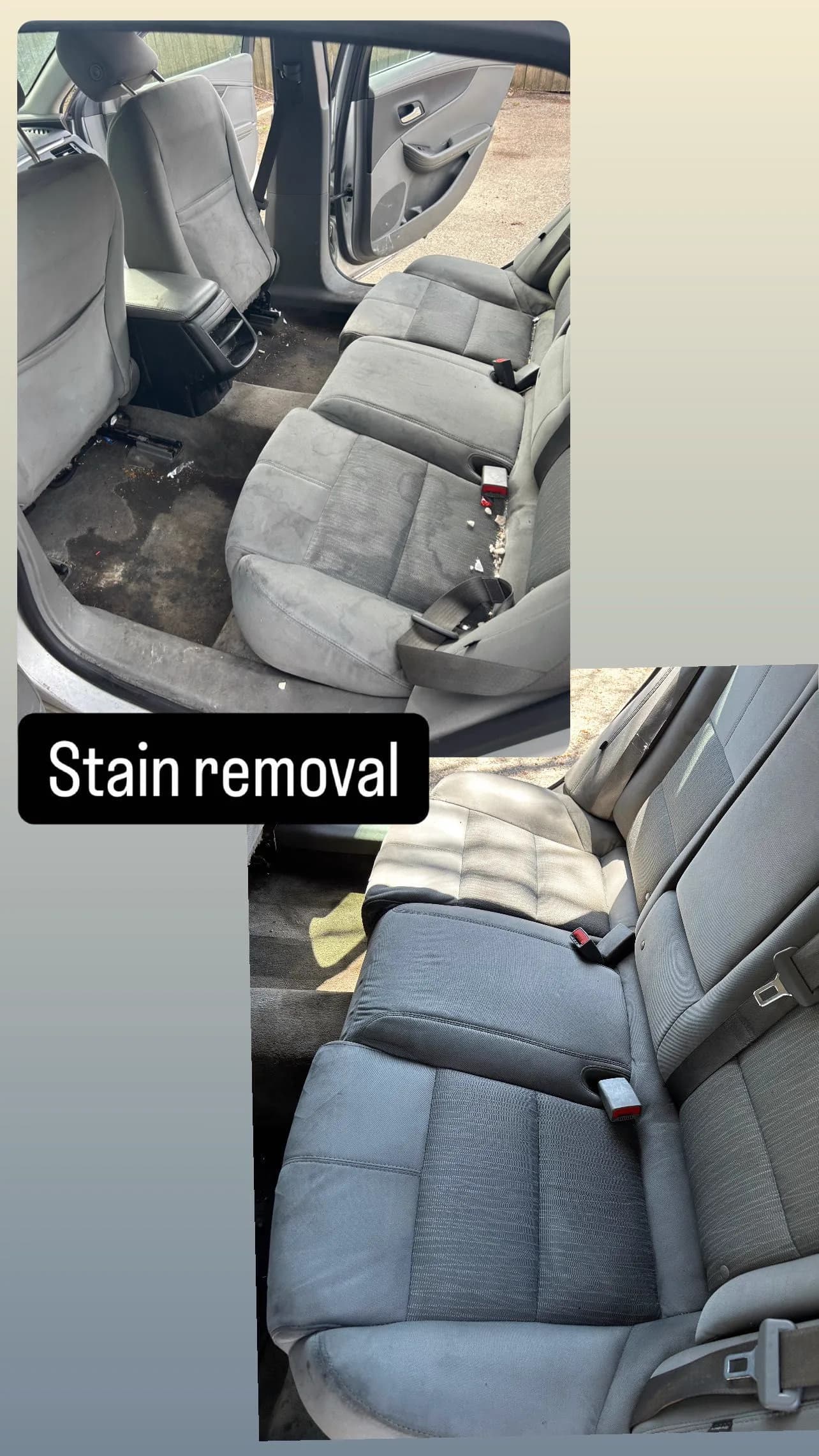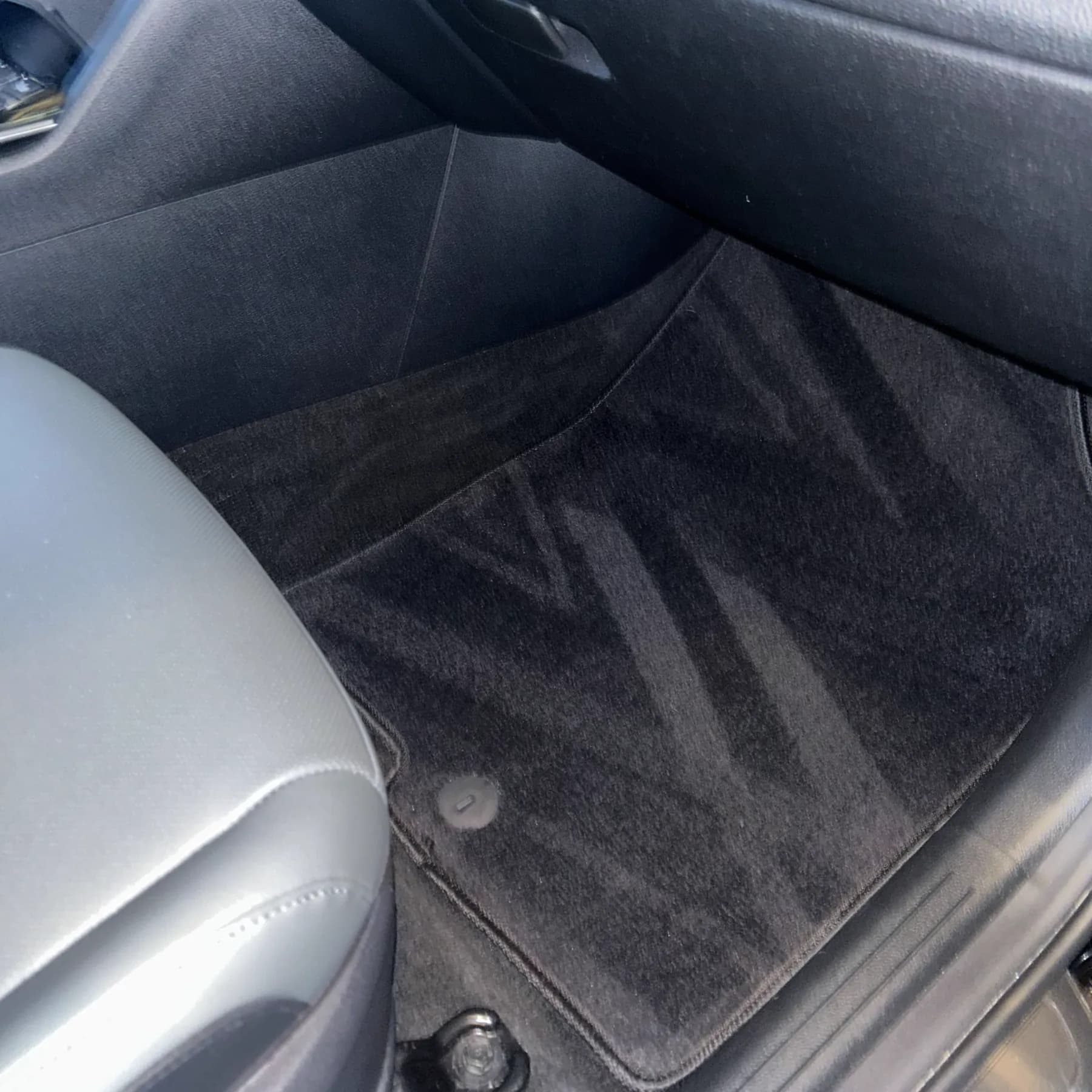
Winter residue does not stay in one place. It moves from roads to wheels, lower panels, floor mats, carpet edges, and the seams around everyday entry. A practical routine is to remove loose buildup early, flag crusted or embedded areas, and choose deeper work when ordinary maintenance no longer resets the surface.
01 / Field note
Why salt deserves attention
Road salt helps keep winter travel safer, but the same chloride-based material can be corrosive in large quantities and can damage vehicles and infrastructure. The U.S. Environmental Protection Agency also describes broader effects on soil and water. For a driver, the useful takeaway is simple: do not treat repeated salty buildup as harmless dust.
Chicago-area winters regularly bring snow and freeze-thaw conditions. The exact season changes, so we do not publish a rigid calendar. Watch the vehicle and the road conditions instead: white film on lower panels, residue around wheels, and crusted material in the footwells are practical signals.
02 / Field note
Watch the high-contact zones
Outside, inspect wheels, wheel wells, lower panels, trim edges, and the areas that stay wet or collect road film. Inside, lift removable mats and look along the mat edges, the driver's footwell, seat tracks, door sills, and the carpet where slush leaves the shoe.
Loose residue and embedded residue are different problems. If a dry vacuum and ordinary wipe no longer remove the visible crust or the carpet has absorbed repeated wet salt, mention that condition before the appointment. Deluxe interior service includes heavy salt work as described on the current menu.
03 / Field note
Use a storm-based rhythm, not a magic date
After a salty driving period, remove loose cabin debris and avoid letting wet mats sit against carpet longer than necessary. When safe weather and the service setup allow, exterior cleaning can address the wheel and lower-body buildup. A deeper reset belongs when residue has accumulated rather than after every light dusting.
Monthly maintenance works best after the vehicle has a manageable baseline. If winter has already produced crusted salt, extraction needs, or heavier exterior contamination, start with the service depth that addresses that condition first.
04 / Field note
What to tell us before a winter appointment
Use specific notes: which footwells are affected, whether the residue is loose or crusted, whether carpet feels wet, and whether exterior buildup is concentrated around wheels or lower panels. That is more useful than writing only 'winter mess.'
We bring water and power to suitable mobile locations, but winter access and live availability still belong to the current booking flow. If weather or the location creates a question, contact us before selecting the visit.
Questions that follow
Quick answers
Is every winter vehicle a Deluxe job?
No. Choose depth from the actual condition. Loose routine buildup and embedded salt are different starting points.
Can monthly maintenance remove a heavy winter backlog?
Maintenance is intended for a manageable baseline. Heavy salt or extraction needs should begin with the appropriate deeper service.
Sources and live details
Service details can change, so the current menu remains on Booksy. External references below support the factual guidance used in this article.