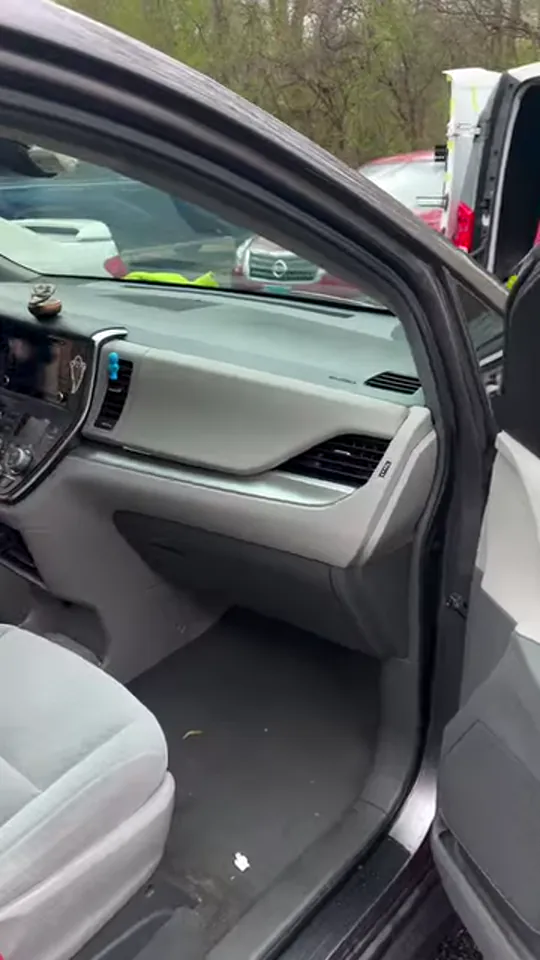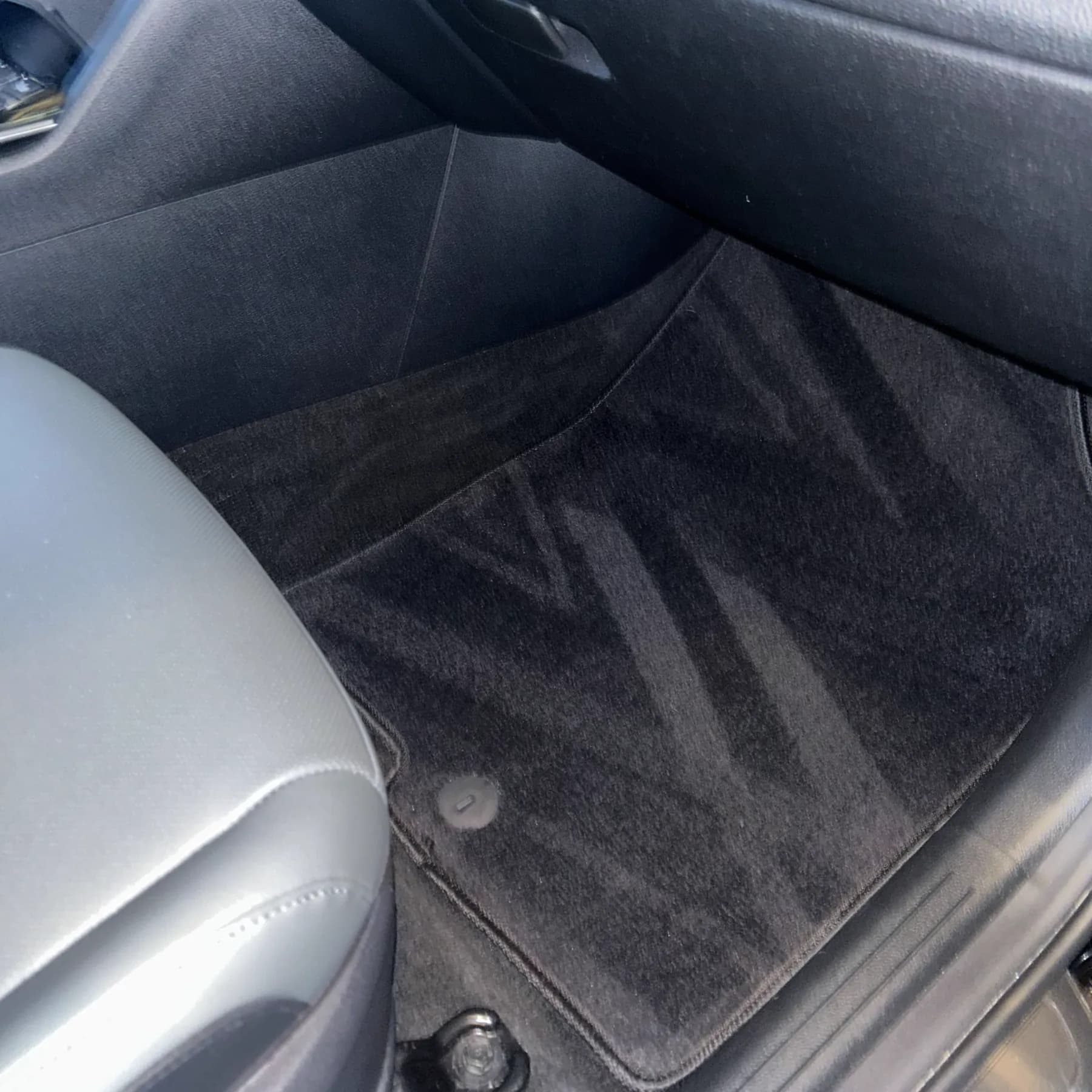
The easiest way to protect a reset is to keep small messes small. Remove loose items, respond to spills without aggressive scrubbing, shake out mats, and notice the first signs that ordinary upkeep is becoming condition work.
01 / Field note
Give loose clutter a home outside the vehicle
Receipts, bottles, bags, wrappers, and loose gear make every cleaning step harder by hiding surfaces and moving debris into seams. A small habit is enough: empty what does not belong when you fuel up or arrive home, rather than waiting for a large cleanout.
Keep only the items that serve a real driving need and give them one stable location. The goal is not a showroom cabin every day. It is a cabin where ordinary debris remains easy to reach before it becomes ground into carpet or seat tracks.
02 / Field note
Respond to spills without making them larger
Blot a fresh spill with a clean absorbent material instead of scrubbing it outward. Avoid mixing household chemicals or saturating an area when you do not know the material or what sits beneath it. If the spill has soaked into fabric, padding, seams, or perforated upholstery, flag it rather than hiding it under fragrance.
When you contact us, describe the material, the spill, how long it has been present, and anything already applied. That context is more useful than promising the mark will come out before the surface is inspected.
03 / Field note
Use mats and touch points as early signals
Mats collect the first layer of everyday debris and winter residue. Shake or vacuum loose material before it migrates to the carpet edges. Wipe obvious fingerprints from durable touch points with a material-appropriate method rather than letting layers build around the wheel, console, and door pulls.
Outside, watch glass, wheels, and lower panels. A vehicle can still be at a maintainable baseline even when it needs ordinary attention. The change happens when residue becomes bonded, fabric becomes loaded, or the same neglected area keeps returning.
04 / Field note
Return before the baseline is lost
Monthly maintenance is designed for a vehicle that has already reached a manageable condition. It is not a substitute for heavy stains, concentrated pet hair, extraction needs, or paint decontamination. If a new condition develops, add it to the booking notes instead of assuming the recurring visit covers it.
The best schedule is the one that follows how the vehicle is actually used. Families, pets, long commutes, work gear, and winter driving create different rhythms. Watch the condition, use the live menu, and contact us when the correct next step is not obvious.
Questions that follow
Quick answers
Does maintenance replace a deep detail?
No. It is intended to preserve a manageable baseline after the deeper needs have been addressed.
Should I use household cleaners on every surface?
No. Materials differ, and mixing or overapplying products can create a larger problem. Use a material-appropriate method or ask before treating an unknown surface.
Sources and live details
Service details can change, so the current menu remains on Booksy. External references below support the factual guidance used in this article.